Recent Work
Fascia & wood replacement project photos
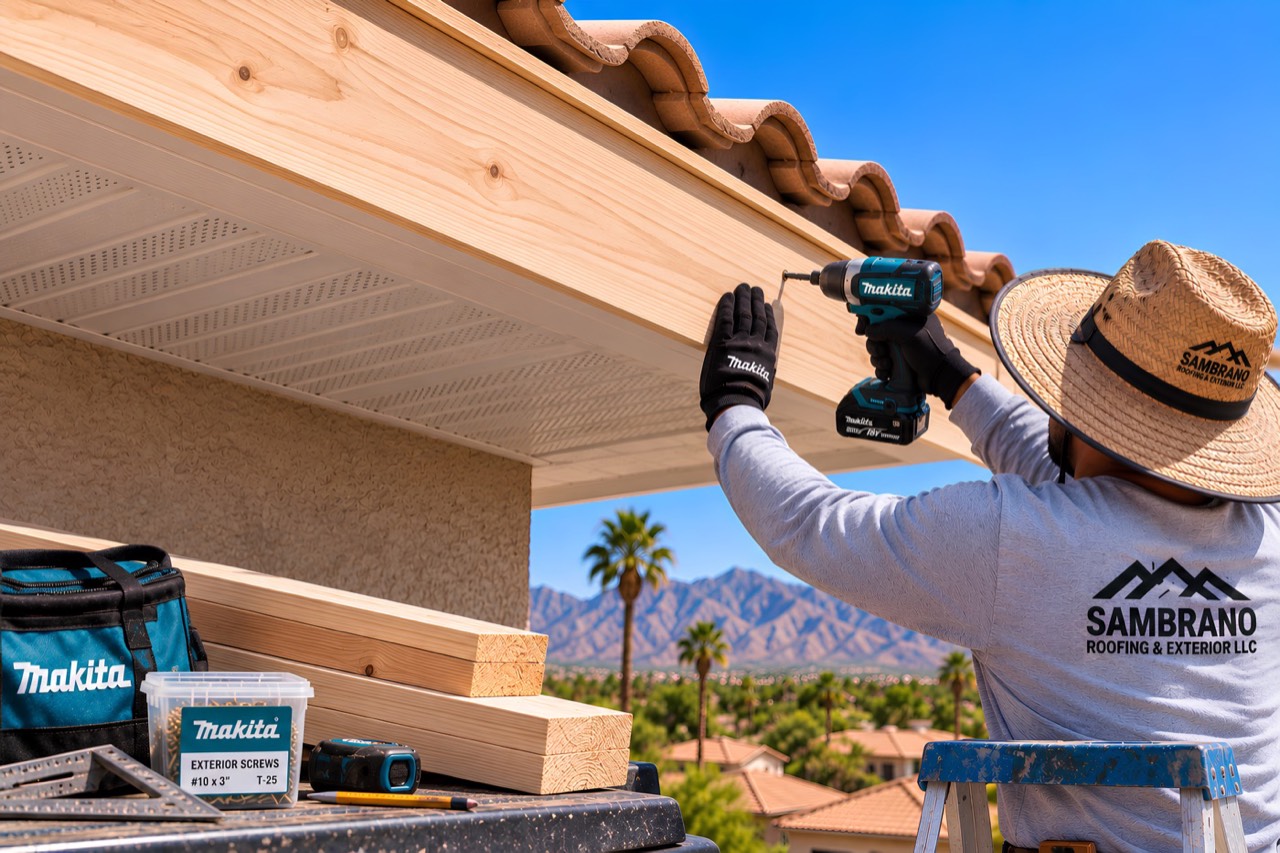
Installing new fascia at the roofline
Rotted or damaged fascia at the roofline isn't just a cosmetic problem — it's connected to how well your roofing system keeps water out at the edge. We repair and replace fascia as part of a healthy roofing system.
Fascia is the trim board that runs along the edge of the roofline, usually where gutters are mounted. It closes off the roof edge, protects the ends of the rafters, and helps keep water from getting behind the roofing system at that transition. Because it sits right at the roof's edge, fascia damage is often connected to a roofing issue upstream — not just weather wearing on the wood itself.
Fascia caps the roofline where the roofing system ends, helping prevent water and pests from getting behind it.
Gutters are typically mounted directly to the fascia board, so its condition affects how securely they stay attached.
Rotted fascia can be a symptom of a drainage or roofing problem above it, not always a standalone issue with the wood.
Soft or spongy wood, visible rot, or gaps at the roof edge are direct signs the fascia has been exposed to moisture over time.
Peeling or bubbling paint on fascia trim can indicate moisture trapped behind the surface, even before the wood itself looks obviously damaged.
Gutters pulling away from the roofline or sagging can point to fascia that's no longer holding fasteners securely.
We assess the extent of the fascia damage and check the surrounding roofing and drainage for a contributing cause.
If a roofing or drainage issue is contributing to the damage, we address that as part of the recommended scope — replacing the wood alone wouldn't solve a recurring problem.
Rotted or compromised fascia sections are removed down to sound material.
New fascia is installed and properly detailed at the roofline so the repair supports the roofing system rather than just replacing the trim.
Installing new fascia at the roofline
Fascia is the trim board that runs along the edge of the roofline, typically where gutters are mounted. It closes off the roof edge and helps keep water from getting behind the roofing system at that transition, so damaged fascia can be a roofing-related problem, not just a cosmetic one.
Visible signs include soft or spongy wood, peeling or bubbling paint, water staining, sagging, or gaps at the roof edge. An inspection can confirm the extent of the damage before any work is scoped.
Water repeatedly getting behind or trapped against the fascia board — often from a roofing or gutter issue upstream, rather than a problem with the fascia itself — is the most common cause of rot over time.
Both. Fascia damage sometimes shows up on its own and other times alongside a roof repair — either way, we look at whether a roofing issue is contributing to the damage before replacing the wood.
No, though they're often related. Gutters are typically mounted to the fascia, so damaged fascia can affect how well gutters stay attached and function, but they're addressed as separate scopes of work.
If fascia damage is found alongside a roofing issue, see Roof Repairs or Shingle Roofing. For ongoing upkeep that helps catch this kind of damage early, see Yearly Roof Maintenance.
Noticed damaged trim along your roofline? We can take a look at the fascia and the roofing above it.